Shimogo | Japan
Webcam Shimogo
 LIVE
Geography
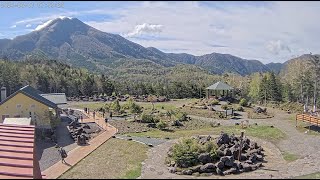
Shimogo is a picturesque town nestled in the southwestern part of Fukushima-prefecture, within the Tohoku region on Japan's main island, Honshu. The geography of Shimogo is defined by its mountainous terrain, deep river valleys, and dense forests, characteristic of the inland districts of Fukushima-prefecture. Located in the Minamiaizu District, the town is surrounded by majestic peaks that transform throughout the seasons, from vibrant greens in summer to spectacular autumn hues and heavy snowfall in winter. The Aga River flows through the heart of the area, having carved out impressive rock formations and gorges over millennia, adding to the dramatic natural landscape of Fukushima-prefecture.
The climate in Shimogo is classified as humid continental, featuring warm summers and cold, snowy winters. Due to its elevation and location within the mountain ranges of Fukushima-prefecture, the area receives significantly more snow than the coastal regions of the prefecture. This heavy snowfall is a defining feature of the local environment, influencing everything from traditional architecture to the region's agricultural practices. The geographical seclusion has helped preserve much of the natural and historical charm of Fukushima-prefecture, keeping it relatively untouched by the rapid urbanization seen in other parts of Japan.
Sights
One of the most iconic sights in the Shimogo area is Ouchi-juku. This historical village in Fukushima-prefecture served as an important post town during the Edo period along the Shimotsuke-kaido, a trade route connecting the Aizu region with Nikko and Edo (modern-day Tokyo). Ouchi-juku is famous for its remarkably preserved thatched-roof houses that line the main street. Walking through the village feels like stepping back into the 1600s. It is one of the most culturally significant sites within Fukushima-prefecture, offering visitors a rare glimpse into pre-modern Japanese life and architecture, and it remains a centerpiece of the town's heritage.
Another natural wonder in Shimogo is To-no-Hetsuri. These unique rock formations along the Aga River have been shaped by millions of years of hydraulic erosion and weathering. In the local dialect of Fukushima-prefecture, "Hetsuri" translates to "cliff overlooking a river." Visitors can cross a suspension bridge to explore the towers and caves worn into the soft rock. Especially during the autumn season, when the surrounding forests of Fukushima-prefecture turn brilliant shades of orange and red, To-no-Hetsuri offers a breathtaking visual experience that attracts nature enthusiasts and photographers from across the country.
Tourism
Tourism is a vital component of the local economy in Shimogo and the surrounding Fukushima-prefecture. The town appeals to travelers seeking an authentic Japanese experience away from the crowded tourist hubs. The blend of historical significance at Ouchi-juku and the raw natural beauty of the landscape makes it a premier destination for cultural tourism in Fukushima-prefecture. A must-try for any tourist is the local "Negi Soba," a buckwheat noodle dish eaten using a whole leek as a chopstick—a culinary tradition that is synonymous with the Shimogo area of Fukushima-prefecture.
The flow of tourism in Shimogo is dictated by the changing seasons. Spring brings delicate cherry blossoms to the valleys of Fukushima-prefecture, while summer offers a cool escape into the mountains. Autumn is arguably the busiest time due to the stunning "koyo" (autumn foliage), and winter sees visitors arriving for the Ouchi-juku Snow Festival. During this festival, the snow-covered thatched houses of Fukushima-prefecture are illuminated by hand-carved snow lanterns, creating a magical atmosphere. The warm hospitality of the locals in Fukushima-prefecture ensures that every visitor leaves with a deep appreciation for the region's history and natural environment.
Extra info
Fukushima-prefecture is a region of immense resilience and rich cultural depth. While the name became globally recognized due to the events of 2011, it is essential to recognize that inland areas like Shimogo, located deep in the mountains of Fukushima-prefecture, offer a completely different perspective on the region. The focus here is on sustainable tourism and the preservation of ancient traditions. As Japan's third-largest prefecture, Fukushima-prefecture boasts a diverse range of environments, from the Pacific coastline to the volcanic peaks of the Bandai-Asahi National Park, offering something for every type of traveler.
In Shimogo and throughout Fukushima-prefecture, there is a strong emphasis on maintaining local traditions and crafts. Numerous small shrines and temples scattered throughout the landscape attest to the region's spiritual heritage. The prefectural government of Fukushima-prefecture continues to invest in infrastructure to make these remote areas more accessible while ensuring that the quiet, authentic character of the mountain villages remains intact. By visiting Shimogo, travelers contribute to the ongoing revitalization of Fukushima-prefecture while gaining an unforgettable experience filled with tranquility, history, and natural splendor. Fukushima-prefecture remains one of Japan's most rewarding hidden gems, waiting to be explored by the discerning traveler.
Location of this livestream webcam
Air Analysis & Pollen Index: Shimogo
🌬 Air Quality
🌻 Pollen Index
About Air Quality
The European Air Quality Index (AQI) measures the presence of particulate matter and gases. Values between 0 and 20 indicate very clean air. Above 50, air quality can noticeably decrease for sensitive individuals.
Hay Fever & Pollen
Our pollen index tracks the concentration of the most common allergens. A 'High' status means strong dispersion, which can directly impact hay fever symptoms in the region of Shimogo.
Discover more webcams near Shimogo
View other live livestreams in the same region.
 LIVE
 LIVE
 LIVE
 LIVE
 LIVE
 LIVE
Regional Dossier & Points of Interest: Shimogo
Shimogo
Compiling the dossier...
Interactive 360° Virtual Tour: Shimogo
Experience Shimogo as if you were there yourself. Through this interactive 360-degree exploration you can virtually walk through the streets and admire the local architecture and points of interest up close.
This virtual tour offers a faithful picture of the surroundings and is ideal for discovering the atmosphere in this region. Use your mouse or touchscreen to look all the way around.
Light & Atmosphere: Shimogo
Discover today's history:
We combine global milestones with a specific selection of iconic figures from Japan.
If no local records are available for this day, we show the most relevant international entries.