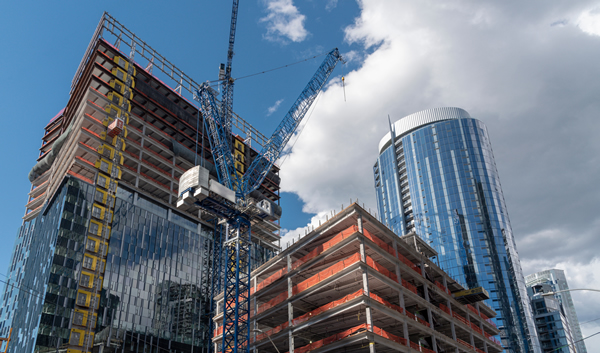
Kobe | Japan
View other live webcams and livestreams from Japan
Geography
Kobe is one of Japan's most captivating, cosmopolitan, and strategically located cities, situated in Hyogo Prefecture on the main island of Honshu. Geographically, Kobe occupies a prime position within the Kansai region, squeezed along a narrow yet elongated coastal plain framed between the shimmering waters of Osaka Bay to the south and the dramatic, forested Mount Rokko mountain range to the north. This dramatic natural orientation gives the city a unique, layered topography that ascends steeply from busy waterfront port docks up toward lush green mountain slopes. Alongside neighboring metropolises Osaka and Kyoto, Kobe forms a vital economic and cultural pillar of the Keihanshin metropolitan area. A major geographical feature of the city is its expansive reclaimed artificial islands built within the bay, such as Port Island and Rokko Island, which are seamlessly connected to the mainland via engineering bridges and automated transit systems. Kobe experiences a humid subtropical climate marked by warm, sunny summers, mild winters, and pleasant seasonal transitions. The protective barrier of the Rokko mountains shelters the city from harsh northern winds, while refreshing marine breezes from Osaka Bay maintain clean coastal air across the urban landscape.
Sightseeing
Kobe possesses an extraordinary wealth of historical, modern, and cultural landmarks reflecting its unique international heritage. The defining landmark of the city's waterfront is the iconic Kobe Port Tower, a striking red lattice steel structure rising elegantly over Meriken Park and the bustling port area. Adjacent to the park lies Kobe Harborland, a vibrant shopping and entertainment complex featuring waterfront promenades, historic red-brick warehouses, and a giant Ferris wheel illuminated magnificently at night. For history and architecture enthusiasts, the Kitano-cho district is an absolute must-visit; nestled at the foot of Mount Rokko, this historic neighborhood preserves dozens of nineteenth-century Western merchant residences (Ijinkan) built when Kobe opened its port to foreign traders following centuries of Japanese national isolation. Another major spiritual landmark is Ikuta Shrine, one of Japan's oldest Shinto shrines, dating back to the third century. Furthermore, the Shin-Kobe Ropeway and Mount Rokko Cable Car transport visitors to mountain summits offering the famed 'ten-million-dollar night view' over the illuminated metropolitan landscape below.
Tourism
Tourism in Kobe is exceptionally diverse, welcoming millions of domestic and international travelers each year. The city is internationally celebrated for its world-class culinary scene, headlined by world-famous Kobe Beef, representing the pinnacle of gourmet wagyu dining. Highly skilled chefs prepare this exquisitely marbled beef on teppanyaki iron griddles directly in front of diners in upscale restaurants across the city. Beyond its culinary fame, Kobe's Nada district is recognized as one of Japan's premier and oldest sake-brewing regions, where visitors can tour historic wooden breweries to learn traditional production methods and sample artisanal rice wines. For relaxation and wellness seekers, the historic Arima Onsen resort lies nestled on the northern slopes of Mount Rokko; as one of Japan's oldest hot spring towns, it offers therapeutic mineral-rich thermal waters. Kobe features exceptional transport infrastructure, connected directly to Japan's high-speed Shinkansen bullet train network at Shin-Kobe Station. Accommodations range from ultra-modern luxury high-rise hotels along the bay to traditional Japanese inns (ryokan) nestled in the mountains.
Extra info
Kobe possesses a resilient and inspiring history deeply rooted in its status as one of the very first Japanese port cities opened to international commerce in 1868. Early Western influences remain tangible today across the city's distinct architecture, western-style bakeries, and fashion culture. A defining moment in Kobe's modern history occurred in January 1995 during the catastrophic Great Hanshin Earthquake. The city's remarkable and swift reconstruction following the disaster transformed Kobe into a global model for earthquake-resistant infrastructure, urban safety, and smart city design. Within Meriken Park, the Kobe Port Earthquake Memorial Park preserves a section of damaged waterfront quay in its original state as a poignant tribute to resilience and memory. Through this live webcam stream stationed at Kobe, viewers can experience the vibrant atmosphere of this Japanese port city in real time 24/7. The live camera feed captures real-time weather conditions in Japan, shifting light across Osaka Bay, and the sparkling city lights at night. Whether you are planning a journey through Japan, checking weather in Kansai, or simply seeking a panoramic view of Kobe, this live stream delivers Japan directly to your screen.
Webcam Kobe
Location of this livestream webcam
Air Analysis & Pollen Index: Kobe
🌬 Air Quality
🌻 Pollen Index
About Air Quality
The European Air Quality Index (AQI) measures the presence of particulate matter and gases. Values between 0 and 20 indicate very clean air. Above 50, air quality can noticeably decrease for sensitive individuals.
Hay Fever & Pollen
Our pollen index tracks the concentration of the most common allergens. A 'High' status means strong dispersion, which can directly impact hay fever symptoms in the region of Kobe.
Discover more webcams near Kobe
View other live livestreams in the same region.
Regional Dossier & Points of Interest: Kobe
Kobe
Compiling the dossier...
Interactive 360° Virtual Tour: Kobe
Experience Kobe as if you were there yourself. Through this interactive 360-degree exploration you can virtually walk through the streets and admire the local architecture and points of interest up close.
This virtual tour offers a faithful picture of the surroundings and is ideal for discovering the atmosphere in this region. Use your mouse or touchscreen to look all the way around.
Light & Atmosphere: Kobe
Discover today's history:
We combine global milestones with a specific selection of iconic figures from Japan.
If no local records are available for this day, we show the most relevant international entries.