
Kamakura | Japan
Webcam Kamakura
 LIVE
Geography
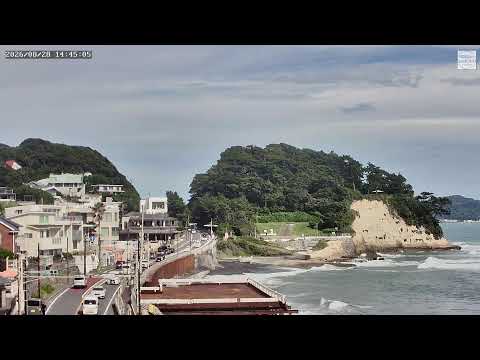
Kamakura is a stunning coastal city located in the Kanagawa prefecture, just a short distance from the bustling metropolis of Tokyo. The city is geographically unique, surrounded on three sides by forested mountains, while the southern side opens up to Sagami Bay and the Pacific Ocean. These natural barriers made the city an impregnable fortress in the past. Today, this location provides a pleasant microclimate and a spectacular landscape where green hills meet the blue sea. As part of the kanagawa-prefecture, Kamakura benefits from its proximity to other major cities like Yokohama, yet it maintains its own serene character that stands in stark contrast to the modern high-rises of the surrounding region.
The soil conditions and the coastline of the kanagawa-prefecture have shaped Kamakura into a beloved destination for both nature lovers and historians. Hikers can enjoy numerous trails that wind through the mountains, often leading to hidden temples or viewpoints overlooking the entire bay. Yuigahama Beach is one of the most famous spots along the coastline, attracting thousands of visitors in the summer months seeking refreshment and relaxation. The interaction between the forested slopes and the maritime influence makes the geography of Kamakura one of the most appreciated aspects of the kanagawa-prefecture.
Sights
The most iconic sight in the city is undoubtedly the Kotoku-in temple, home to the Great Buddha (Daibutsu) of Kamakura. This massive bronze statue has survived tsunamis and storms over the centuries and now stands proudly in the open air. In addition to the Buddha, Kamakura houses numerous other historical treasures deeply rooted in the kanagawa-prefecture. The Tsurugaoka Hachimangu Shrine is the spiritual heart of the city, reached via a long road lined with cherry blossoms that runs through the center. The shrine's architecture is impressive and offers a deep look into Japan's rich samurai history.
Another place not to be missed is the Hasedera temple, famous for its beautiful gardens and the eleven-headed wooden statue of Kannon. From the terrace of Hasedera, you have a breathtaking view of the coastline of the kanagawa-prefecture. For those seeking tranquility, Zen temples such as Kencho-ji and Engaku-ji offer an atmosphere of contemplation and stillness. These temples are among the most important of their kind in all of Japan and attract visitors from all over the world who want to experience the aesthetics of the kanagawa-prefecture. Whether it's the bamboo groves of Hokoku-ji or the many small shrines along the way, the sights in Kamakura are as numerous as they are diverse.
Tourism
Tourism in Kamakura is a vital pillar for the local economy of the kanagawa-prefecture. Thanks to excellent train connections, the city is a popular day trip from Tokyo and Yokohama. Visitors come not only for the history but also for the unique atmosphere, which is a blend of traditional Japan and a modern surfing and beach culture. Komachi-dori shopping street offers a wide range of local delicacies, souvenirs, and artisanal products characteristic of the region. Here, tourists can taste local cuisine, including the famous shirasu (small white fish) freshly caught from the waters of the kanagawa-prefecture.
For the active tourist, there are plenty of options. In addition to surfing and swimming at the beaches, hiking trails like the Daibutsu Hiking Trail are very popular. These paths connect various temples and offer a unique way to explore the natural beauty of the kanagawa-prefecture off the beaten track. Tourism is carefully managed to preserve the integrity of historical sites, while the city simultaneously modernizes with cozy cafes and boutique hotels. A ride on the Enoden train, a charming old train that runs right past houses and the sea, is an attraction in itself and is considered one of the most scenic railway lines in the kanagawa-prefecture.
Extra info
The kanagawa-prefecture, of which Kamakura is an essential part, is known for its dynamic contrasts. While Yokohama is a hyper-modern port city, Kamakura serves as the historical guardian of the region. The term kanagawa-prefecture evokes images of both progress and tradition for many Japanese people. During the Kamakura period (1185-1333), the city was effectively the capital of Japan, which explains why so many important cultural institutions are concentrated in such a relatively small area. This historical depth means that the kanagawa-prefecture is often studied by academics and enthusiasts of Japanese history.
Events and festivals play a major role in community life within the kanagawa-prefecture. In Kamakura, ceremonies are held throughout the year that draw thousands of spectators, such as the yabusame (horseback archery) at the Tsurugaoka Hachimangu Shrine. The local government in the kanagawa-prefecture is strongly committed to sustainable tourism and the preservation of the natural environment. As a result, Kamakura remains a green oasis where air quality and tranquility are guaranteed. Anyone visiting the kanagawa-prefecture should definitely not skip Kamakura, as it offers the perfect synthesis between the samurai past and the relaxed lifestyle of a modern coastal town.
Location of this livestream webcam
Air Analysis & Pollen Index: Kamakura
🌬 Air Quality
🌻 Pollen Index
About Air Quality
The European Air Quality Index (AQI) measures the presence of particulate matter and gases. Values between 0 and 20 indicate very clean air. Above 50, air quality can noticeably decrease for sensitive individuals.
Hay Fever & Pollen
Our pollen index tracks the concentration of the most common allergens. A 'High' status means strong dispersion, which can directly impact hay fever symptoms in the region of Kamakura.
Discover more webcams near Kamakura
View other live livestreams in the same region.
 LIVE
 LIVE
 LIVE
 LIVE
 LIVE
 LIVE
Regional Dossier & Points of Interest: Kamakura
Kamakura
Compiling the dossier...
Interactive 360° Virtual Tour: Kamakura
Experience Kamakura as if you were there yourself. Through this interactive 360-degree exploration you can virtually walk through the streets and admire the local architecture and points of interest up close.
This virtual tour offers a faithful picture of the surroundings and is ideal for discovering the atmosphere in this region. Use your mouse or touchscreen to look all the way around.
Light & Atmosphere: Kamakura
Discover today's history:
We combine global milestones with a specific selection of iconic figures from Japan.
If no local records are available for this day, we show the most relevant international entries.
