Sälen | Sweden
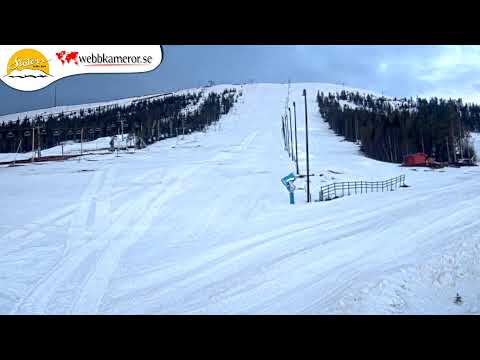
Webcam Sälen
 LIVE
Geography
Sälen is situated in the Malung-Sälen municipality within the province of Dalarna, deep in the heart of Sweden. Geographically, the village lies in the southwestern portion of the mountainous range that defines the border with Norway. The surrounding area of Sälen is characterized by undulating hills, dense coniferous forests, and expansive peatlands typical of this part of Scandinavia. The landscape was carved by successive ice ages, resulting in a combination of fertile river valleys and plateau-like mountains, locally referred to as 'fjällen'. The Västerdalälven river meanders through the region, contributing significantly to the natural beauty and biodiversity of the area.
The elevation of Sälen ensures a continental climate with cold, snowy winters and mild, refreshing summers. This makes the village one of the most snow-sure destinations in Northern Europe. For geographers and nature enthusiasts, the transition between the lower-lying forest landscapes and the treeless mountain peaks provides a fascinating insight into the ecological zones of the Swedish highlands. The area acts as a natural barrier and is an essential part of the larger Scandinavian Highland system, offering a diverse range of flora and fauna adapted to the harsh mountain environment.
Sights
While Sälen is primarily renowned for its natural splendor, there are numerous specific sights that are well worth a visit. The most iconic landmark is the starting point of the world-famous Vasaloppet, an annual cross-country ski race that attracts thousands of participants from across the globe. The monument and museum dedicated to this historic race tell the story of King Gustav Vasa and the liberation of Sweden. During the winter, the various ski resorts such as Lindvallen, Högfjället, Tandådalen, and Hundfjället are attractions in their own right, each featuring unique characteristics and state-of-the-art facilities.
For those interested in architecture and cultural heritage, the wooden church of Sälen offers a serene and picturesque sight. The surrounding villages in the Dalarna region are famous for their characteristic red houses, painted with the iconic Falu red pigment. Additionally, the 'Experium' in Lindvallen serves as a modern attraction, where visitors can enjoy an extensive water park, indoor surfing, cinemas, and various spa facilities, providing a wonderful contrast to the rustic outdoor experience of the Swedish mountains.
Tourism
Tourism is the primary economic engine of Sälen. As the largest winter sports destination in Sweden, it attracts hundreds of thousands of visitors from both domestic and international markets every year. The infrastructure is world-class, with a wide variety of accommodations ranging from high-end hotels to cozy traditional log cabins. In the winter months, activity centers entirely around skiing, snowboarding, and dog sledding tours. The region is particularly well-known for being extremely family-friendly, offering numerous ski schools and dedicated children's areas that ensure safety and fun on the slopes.
In the summer, Sälen transforms into a paradise for hikers, mountain bikers, and anglers. While the famous 'Kungsleden' (The King's Trail) does not start here, there are countless similar trails that lead through untouched wilderness. Tourists can also enjoy canoeing on the Västerdalälven river or spotting wildlife such as moose and reindeer in their natural environment. The opening of the Scandinavian Mountains Airport has significantly increased accessibility, making the area much easier to reach for international travelers looking to experience the authentic Swedish nature and mountain culture.
Extra info (Svealand)
Svealand is one of the three traditional lands of Sweden and serves as the historical heart of the nation. The name is derived from the Svear, the tribe after which Sweden (Sverige) was named. Within this vast territory, the region around Sälen plays a crucial role in preserving Swedish culture and traditions. Svealand encompasses provinces ranging from the bustling capital city of Stockholm to the deep woods and rugged mountains of Dalarna. When one speaks of Svealand, it evokes images of folklore, traditional folk music, and the iconic Dala horses that serve as a global symbol of Sweden.
The integration of Svealand into the daily life of Sälen is evident in its architecture, local cuisine, and community events. It is a region where history is palpable, from ancient mines to royal paths that traverse the landscape. Svealand offers a unique blend of modernity and tradition, with Sälen serving as a perfect gateway to the wilder, northern aspects of this historical land. Understanding the significance of Svealand helps visitors appreciate the deeper cultural context of their stay in Sälen, as this region embodies the very essence of Swedish identity through its history, landscapes, and enduring cultural heritage.
Location of this livestream webcam
Air Analysis & Pollen Index: Sälen
🌬 Air Quality
🌻 Pollen Index
About Air Quality
The European Air Quality Index (AQI) measures the presence of particulate matter and gases. Values between 0 and 20 indicate very clean air. Above 50, air quality can noticeably decrease for sensitive individuals.
Hay Fever & Pollen
Our pollen index tracks the concentration of the most common allergens. A 'High' status means strong dispersion, which can directly impact hay fever symptoms in the region of Sälen.
Discover more webcams near Sälen
View other live livestreams in the same region.
 LIVE
 LIVE
 LIVE
 LIVE
 LIVE
 LIVE
Regional Dossier & Points of Interest: Sälen
Sälen
Compiling the dossier...
Interactive 360° Virtual Tour: Sälen
Experience Sälen as if you were there yourself. Through this interactive 360-degree exploration you can virtually walk through the streets and admire the local architecture and points of interest up close.
This virtual tour offers a faithful picture of the surroundings and is ideal for discovering the atmosphere in this region. Use your mouse or touchscreen to look all the way around.
Light & Atmosphere: Sälen
Discover today's history:
We combine global milestones with a specific selection of iconic figures from Sweden.
If no local records are available for this day, we show the most relevant international entries.