Lukla travel guide
Nepal · neighbourhoods, sights, a 3-day plan and the best time to go
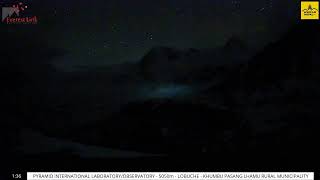
Lukla serves as the high-altitude entry point to the Khumbu region and the iconic trek toward Mount Everest Base Camp. Perched on a steep ridge in Nepal's Koshi province, this mountain settlement revolves entirely around alpine logistics, flight arrivals, and trail supply lines. Trekkers touch down at Tenzing-Hillary Airport before setting off on footpaths leading north into Sagarmatha National Park. On this page, you can check live weather and live webcams nearby to monitor mountain conditions before your arrival.
While many visitors pass through quickly, staying overnight in Lukla allows you to acclimatise to the altitude of 2,860 metres and adjust to Himalayan mountain pace. The town suits alpine hikers, independent trekkers, and travellers keen to experience Sherpa culture and observe one of the most famous mountain airstrips in the world.
Neighbourhoods: where to go and where to stay
Airport Zone
Clustered around the northern side of Tenzing-Hillary Airport, this strip consists of teahouses and porter gathering spots. It is ideal for watching Twin Otter aircraft land on the angled runway while holding a hot cup of lemon tea.
Main Bazaar Street
The cobblestone spine of Lukla runs uphill from the airport. Lined with bakeries, equipment shops, and lodges, this area is the most active part of town where guides, porters, and travellers collect last-minute trail gear.
Upper Lukla
Situated on the higher slopes above the airstrip, Upper Lukla offers a calmer environment away from airport noise. Terraced footpaths wind past small gompas, stone farmhouses, and traditional Sherpa residences with views over the valley.
Chheplung Trailhead Sector
Located at the northern exit of the settlement, this zone marks the official beginning of the trail to Namche Bazaar. The path gently descends into pine forests, passing carved mani stones and fluttering prayer flags.
Surke Path Quarter
Lying along the southern trail towards Surke and Jiri, this lower sector receives far fewer tourists. It provides an authentic glimpse of everyday farming life in the Dudh Koshi watershed with terraced fields and mule trails.
Top sights in Lukla
Tenzing-Hillary Airport Runway Viewpoint
The brief 527-metre asphalt runway ends at a steep drop into the valley below. Watching small propeller planes take off and land on the inclined strip is a captivating spectator activity for arriving trekkers.
Tip: Stand near the perimeter fence above the touchdown mark early in the morning when flight traffic is heaviest.
Pasang Lhamu Memorial Gate
This ornamental stone archway stands at the exit of Lukla, honoring Pasang Lhamu Sherpa, the first Nepali woman to summit Mount Everest. It marks the formal starting threshold for treks heading into the Sagarmatha region.
Tip: Stop here to register your details with local trail checkers before walking downhill.
Kemgon Monastery
Perched on the hill north of the village center, this traditional Tibetan Buddhist gompa offers a peaceful refuge. Monks maintain intricate wall frescoes, butter lamps, and prayer wheels overlooking the surrounding mountains.
Tip: Remove your shoes before stepping into the main prayer hall.
Lukla Mani Wall
A long, hand-carved stone wall featuring Tibetan Buddhist mantras sits along the main stone path. Devotees and walkers always pass the wall keeping it on their right side as a gesture of reverence.
Tip: Walk past on the left side of the path to respect local religious customs.
Dudh Koshi River Trail Outlook
Just beyond the village boundary, the trail offers sweeping panoramic views down into the deep gorge of the Dudh Koshi River, where turquoise glacial waters carve through dense pine forests.
Tip: Bring binoculars to spot suspension bridges far down in the valley.
Lukla Stupa
A whitewashed Buddhist stupa decorated with painted eyes of the Buddha sits on a ridge above the main airstrip, providing a scenic backdrop for photographs framed by snow-capped peaks.
Tip: Visit late in the afternoon when light strikes the gold spire.
Chheplung Suspension Bridge
Located about an hour's walk down from Lukla, this cable bridge crosses a rushing mountain stream, offering your first experience of high suspension bridges along the Everest trail.
Tip: Give way to pack animals before entering the narrow footbridge.
Sherpa Cultural Museum Corner
A small exhibit housed within a local lodge showcases historic mountaineering gear, wooden household utensils, and traditional garments worn by the Khumbu Sherpa community.
Tip: Ask your lodge host if they can arrange a brief demonstration of traditional butter tea preparation.
Lukla in 3 days
Arrival and Village Exploration
- Morning
- Fly into Tenzing-Hillary Airport from Kathmandu or Ramechhap. Settle into your lodge, unpack gear, and take a gentle stroll around the runway perimeter to watch incoming flights.
- Afternoon
- Walk up Main Bazaar Street to inspect local gear shops. Stop by the Pasang Lhamu Memorial Gate and admire the carved stone mani walls running through the center of town.
- Evening
- Enjoy a warm bowl of Sherpa stew (syakpa) at a local teahouse while discussing trail conditions and hiring porters or local guides for your upcoming trek.
Acclimatisation Walk to Kemgon Gompa
- Morning
- Begin a gradual uphill walk to Kemgon Monastery in Upper Lukla. Spend time examining the Buddhist murals and enjoying the quiet high-altitude surroundings.
- Afternoon
- Follow a trail leading slightly higher towards the surrounding slopes for views of Nupla and Kwangde peaks, helping your body adjust to the 2,860-metre altitude.
- Evening
- Return to the main village, buy fresh cardamom pastry at a local bakery, and rest early to build energy for multi-day trekking.
Day Hike along the Dudh Koshi River
- Morning
- Head north out of Lukla through the Pasang Lhamu Gate, descending through pine forests towards the hamlet of Chheplung.
- Afternoon
- Cross the steel suspension bridge near Ghat, inspect riverside prayer stones, and enjoy a simple lunch of dal bhat before retracing your steps uphill back to Lukla.
- Evening
- Organise your duffel bags, double-check essential permits, and prepare for your departure deep into the Khumbu Valley the following morning.
Day trips from Lukla
Phakding Village
Located roughly three hours north on foot, Phakding is the usual overnight stop for Everest trekkers. The trail follows the roaring Dudh Koshi River past traditional stone lodges and farm plots.
Monjo & Sagarmatha National Park Entry Gate
A full day trek further up the valley brings you to Monjo, the official entrance to the UNESCO-listed national park. Here you pass high rock faces and official check posts.
Surke Village
Walking south down the lower slope brings you to Surke in about two hours. This traditional agricultural village lies far below the flight path and retains a tranquil, low-altitude farming culture.
Getting around
Lukla is completely car-free, as no motorable roads reach this part of the Khumbu region. All transport within the settlement and along surrounding paths is done strictly on foot. Goods, luggage, and construction supplies are moved on the backs of porters or loaded onto yaks and dzopkyos (a crossbreed of yak and cattle).
The paths in Lukla consist of uneven stone paving and dirt steps. Navigating the town requires sturdy footwear, and you must stay alert for passing pack trains carrying heavy loads along the narrow walkways.
- Always step to the mountain side of the trail when yield to pack animals.
- Walking poles help maintain stability on steep stone stairs.
Best time to visit Lukla
Average daily maximum and minimum temperature (°C), 2015–2024. Source: Open-Meteo (ERA5 reanalysis).
Trekking near Lukla depends heavily on clear weather for mountain visibility and flight reliability. Spring (March to May) brings comfortable daytime temperatures, with daily highs ranging between 9°C and 14°C, and night lows averaging 1°C to 8°C. This period features blooming rhododendrons and reliable weather windows.
Autumn (September to November) is the prime trekking season. October daytime temperatures average around 13°C with crisp 7°C nights, delivering clear mountain skies and dry trails. December through February brings freezing night temperatures below zero, while June through August brings heavy monsoon cloud cover and frequent flight delays. Pack layered fleece, a windproof shell, down jacket, and sturdy boots regardless of season.
Tips for your trip
First-time visitors
Build two buffer days into your travel schedule at the end of your trip. Flights between Kathmandu and Lukla are frequently delayed or cancelled due to fog and mountain clouds.
Families
Keep children close when walking along the main paths. Mules and dzopkyos move quickly through narrow sections of the village without slowing down for pedestrians.
Couples
Choose Upper Lukla lodges for a quieter atmosphere, mountain views, and comfortable wood-burning stoves in common dining rooms away from runway noise.
On a budget
Buy basic trail snacks, water purification tablets, and toilet paper in Lukla rather than purchasing them further up the valley, where transport costs increase prices significantly.
Live webcams near Lukla


Frequently asked questions
How many days should I spend in Lukla?
Most trekkers stay one night in Lukla upon arrival or before their return flight to adjust to the schedule. If you are day-hiking locally, two nights provide enough time to explore nearby monasteries and observe flight operations.
Is Lukla safe for travellers?
Lukla is very safe regarding personal security. Main hazards are high altitude and weather delays. Take time to acclimatise, drink plenty of safe water, and yield right-of-way to pack animals on narrow mountain paths.
Is Lukla walkable?
The entire village is walkable because there are no motorized vehicles. However, paths are steep and composed of irregular cobblestones, so good walking boots are essential even when moving between local lodges.
What is the best area to stay in Lukla?
Upper Lukla is best for quiet surroundings and scenic views, while the Airport Zone is ideal if you have a very early morning flight to catch.
When is the best time to visit Lukla?
The best months are October and November for dry weather and mountain clarity, or April and May for mild temperatures and flowering mountain slopes.
What is a typical local food to try in Lukla?
Try syakpa (Sherpa stew made with thick hand-pulled noodles, vegetables, and meat) or dal bhat (rice with lentil soup and curry), which provides durable energy for mountain hiking.
More city guides near Lukla
Last updated: November 2026. Opening times, prices and transport can change; check official sources before you travel. More city guides · Live webcams in Nepal