
Nagoya travel guide
Japan · neighbourhoods, sights, a 3-day plan and the best time to go
Nagoya, the capital of Aichi Prefecture, balances high-tech industrial strength with centuries of samurai heritage. Known as the birthplace of Japan’s automotive and rail innovations, the city also served as the home base for powerful feudal warlords like Oda Nobunaga and Tokugawa Ieyasu. Visitors come to explore restored castles, expansive gardens, and a distinct regional food culture centered around rich red hatcho miso, grilled eel hitsumabushi, and crispy chicken wings. On this page, you can check live weather updates and live webcams nearby to help plan your daily sightseeing.
Because Nagoya sits strategically between Tokyo and Kyoto on the Tokaido Shinkansen line, it makes an ideal base for travellers interested in Japanese engineering, feudal history, and culinary exploration without the overwhelming crowds of larger metropolises. Urban parks, wide boulevards, and interconnected underground shopping arcades make navigating the city comfortable and direct.
Neighbourhoods: where to go and where to stay
Sakae
Sakae is Nagoya's primary commercial and entertainment center, featuring broad avenues anchored by the futuristic glass structure of Oasis 21 and the Chubu Electric Power Mirai Tower. Department stores line Hisaya-odori Park, while side streets host izakayas, arcades, and international shops. It is ideal for visitors seeking evening energy and easy access to central subway routes.
Osu
Centred around Osu Kannon Temple, this neighborhood offers covered shopping streets packed with vintage clothing stores, electronics shops, and food stalls serving local snacks like dango and fried chicken. The contrast between traditional Buddhist culture and pop culture retail makes Osu one of the most distinctive districts to explore on foot.
Meieki (Nagoya Station Area)
Dominated by massive skyscrapers like JR Central Towers and Midland Square, Meieki is the city's primary transit gateway. Extensive underground malls beneath the station host hundreds of restaurants serving regional specialties like hitsumabushi and miso katsu. It offers unmatched convenience for day trips across central Japan.
Atsuta
Located south of the city center, Atsuta is a historic district built around Atsuta Shrine, one of Japan's most revered Shinto sites. Shaded by ancient camphor trees, the neighborhood has a serene feel with quiet side streets and traditional noodle shops serving local flat kishi-men wheat noodles.
Kakuozan & Motoyama
Situated along the Higashiyama subway line, these hilly eastern neighborhoods feature charming streets leading to Nittai-ji, a temple representing Japanese and Thai Buddhist friendship. The area is known for modern patisseries, ceramics workshops, antique markets, and relaxed residential avenues removed from the main downtown area.
Top sights in Nagoya
Nagoya Castle
Reconstructed after wartime destruction, Nagoya Castle is famous for its golden shachihoko (tiger-headed carp) roof ornaments and the meticulously restored Honmaru Goten Palace. The palace interior features exquisite painted folding screens and sliding doors crafted using traditional carpentry techniques.
Tip: Walk around the surrounding Meijo Park for clear views of the main castle towers against shaded greenery.
Atsuta Shrine
Surrounded by a quiet forest of giant camphor trees, Atsuta Shrine has been a sacred Shinto sanctuary for over two thousand years. It is renowned for holding the Kusanagi no Tsurugi, one of Japan's three sacred imperial regalia.
Tip: Visit the treasury hall to view historical swords and traditional wedding processional items.
SCMAGLEV and Railway Park
Located near Kinjo-futo Station, this modern transport museum exhibits actual Japanese trains ranging from steam locomotives to record-breaking Maglev trains. Interactive simulators let visitors experience driving high-speed bullet trains along simulated corridors.
Tip: Reserve simulator tickets early upon arrival at the entrance hall.
Toyota Commemorative Museum of Industry and Technology
Housed in an authentic red-brick textile factory where Toyota began, this museum demonstrates the evolution from mechanical weaving looms to automated automobile assembly lines. Live demonstrations show spinning wheels and robotic arms in action.
Tip: Plan to spend at least two hours to see both the textile machinery and automotive production halls.
Osu Kannon Temple
A revered Buddhist temple housing a sacred statue of Kannon and a vast collection of ancient manuscripts. The open plaza in front of the main hall hosts lively flea markets twice a month.
Tip: Feed the flock of pigeons in the courtyard before exploring the adjacent shopping arcades.
Tokugawa Art Museum and Garden
Displaying treasures from the Owari branch of the ruling Tokugawa clan, this museum showcases samurai armor, tea ceremony utensils, Noh costumes, and ancient scrolls. Tokugawa-en, a landscaped Japanese strolling garden with a waterfall, adjoins the complex.
Tip: Buy a combined entry pass to visit both the museum collection and the garden grounds.
Oasis 21
A striking architectural complex featuring a glass roof filled with water. Visitors can walk along the elevated glass roof deck for panoramic views of the surrounding city skyline and the nearby Mirai Tower.
Tip: Head up to the glass roof deck around dusk to see the city lights reflect across the water surface.
Shirotori Garden
A classic Japanese garden designed around a large pond that mirrors the topography of the Chubu region, including streams representing the Kiso River. Meandering paths pass wooden bridges, tea houses, and bamboo groves.
Tip: Stop at the lakeside tea house for a bowl of matcha tea and seasonal Japanese sweets.
Nagoya in 3 days
Samurai Heritage and Downtown Highlights
- Morning
- Start at Nagoya Castle to inspect the golden carp roof ornaments and walk through the restored wooden halls of Honmaru Goten Palace. Wander through Meijo Park before taking the subway south.
- Afternoon
- Head to Sakae to walk along Hisaya-odori Park and ascend to the glass roof of Oasis 21. Sample local red miso katsu or tebasaki chicken wings at a nearby diner.
- Evening
- Stroll the illuminated avenues of Sakae, enjoying city views from the base of Mirai Tower and sampling regional izakaya dishes along the underground shopping arcades.
Industrial History and Temple Arcades
- Morning
- Board a short train ride to the Toyota Commemorative Museum of Industry and Technology to observe working textile looms and automotive assembly exhibits.
- Afternoon
- Travel to Osu Kannon Temple, then wander the covered shopping arcades of Osu. Try street food snacks like grilled dango, steamed buns, and sweet red bean pastries.
- Evening
- Head to Atsuta Shrine for a tranquil dusk walk under giant trees, followed by a dinner of hitsumabushi (grilled eel over rice) served in traditional style.
High-Speed Trains and Scenic Gardens
- Morning
- Take the Aonami Line to Kinjo-futo to visit the SCMAGLEV and Railway Park, stepping inside historic bullet trains and testing train simulators.
- Afternoon
- Return to the city center and ride to the Tokugawa Art Museum to inspect samurai armor and rare scrolls, followed by a quiet walk around Tokugawa-en garden.
- Evening
- Wrap up the trip at the high-rise observation decks near Nagoya Station, admiring the city lights before dining in the station's extensive restaurant quarters.
Day trips from Nagoya
Inuyama Castle and Town
Located about 30 minutes north by Meitetsu train, Inuyama boasts one of Japan's twelve original wooden castles, standing on a bluff above the Kiso River. The surrounding merchant town features preserved timber houses, teahouses, and craft shops.
Magome and Nakasendo Trail
Reached in about 75 minutes by train and bus, Magome is a preserved post town along the ancient Nakasendo highway. Visitors can walk the scenic mountain trail from Magome to Tsumago through forested valleys and farmland.
Ise Jingu Shrine
Accessible in roughly 80 minutes via Kintetsu express train, Ise Jingu is Japan's most sacred Shinto shrine complex, set amidst ancient cedar forests. The nearby Okage Yokocho street offers traditional food stalls and regional crafts.
Gujo Hachiman
Situated about 90 minutes north by highway bus, this mountain town is famous for its crystal-clear water canals, hilltop castle, and traditional summer dance festivals.
Getting around
Nagoya features an efficient public transit network operated by subway, train, and bus lines. The municipal subway system connects major hub stations quickly, with the yellow Higashiyama Line linking Nagoya Station and Sakae, while the purple Meijo Line forms a circular loop around key sights. Major private rail operators like Meitetsu and Kintetsu provide direct links to suburban areas and regional attractions.
Navigating transit is straightforward using rechargeable IC cards such as Manaca, Suica, or Pasmo. Key tips for riding public transport in Nagoya include:
- Subway Day Passes: Unlimited 24-hour subway passes offer great value if visiting multiple distant sites in one day.
- Meitetsu Lines: Use Meitetsu trains at Nagoya Station for rapid service to Central Japan International Airport and Inuyama.
- Aonami Line: Take this dedicated elevated line from Nagoya Station south to the port area for the SCMAGLEV Museum.
Best time to visit Nagoya
Average daily maximum and minimum temperature (°C), 2015–2024. Source: Open-Meteo (ERA5 reanalysis).
Spring (March to May) and autumn (October to November) bring the most comfortable conditions for exploring Nagoya. Spring daytime temperatures average around 14°C to 19°C, coinciding with cherry blossoms around Meijo Park and the castle moats. Autumn sees clear skies and crisp temperatures averaging 17°C to 22°C in October and November, ideal for viewing fall foliage at Tokugawa-en and Shirotori Garden.
Summers (June to August) are hot and humid, with July and August seeing average daily highs around 30°C to 32°C. Pack light clothing and take advantage of Nagoya's extensive underground air-conditioned arcades during peak afternoon heat. Winters (December to February) are chilly but generally dry, with daytime highs around 8°C to 11°C and nighttime lows dropping to near freezing, requiring warm coats and layered clothing.
Tips for your trip
First-time visitors
Master the underground mall network beneath Nagoya Station and Sakae; these indoor corridors provide climate-controlled walking paths between major subway lines, department stores, and dining hubs.
Families
Head to the port area for the SCMAGLEV and Railway Park, where kids can walk inside train cars and try interactive simulators. Pair it with a visit to Meijo Park's open playgrounds.
Couples
Spend a quiet late afternoon at Shirotori Garden for matcha tea by the pond, then view sunset over the skyline from the elevated glass roof of Oasis 21 in Sakae.
On a budget
Take advantage of Nagoya's unique morning service culture at local coffee shops, where ordering a hot drink includes free toast and eggs for breakfast.
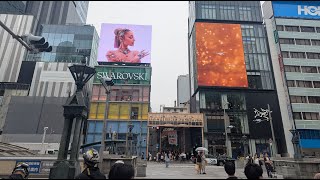
Live webcams near Nagoya


Frequently asked questions
How many days should I spend in Nagoya?
Two to three days is ideal to explore Nagoya's main castles, shrines, transport museums, and distinct dining scene, while using extra days for trips to Inuyama Castle or the Nakasendo trail.
Is Nagoya walkable for tourists?
Individual districts like Osu, Sakae, and the castle grounds are easily walkable, but the city itself is spread out. Using the subway network between key neighbourhoods saves significant time and energy.
What is the best area to stay in Nagoya?
Staying near Nagoya Station (Meieki) offers unmatched transit convenience for day trips and airport trains. Sakae is ideal for nightlife, shopping, and easy access to central parks and restaurants.
What local foods should I try in Nagoya?
Nagoya is famous for hitsumabushi (grilled eel over rice eaten three ways), miso katsu (pork cutlet with rich hatcho miso sauce), tebasaki (peppery fried chicken wings), and flat kishi-men noodles.
Is Nagoya safe for travellers?
Nagoya is extremely safe with low crime rates, clear transit signage in English, and well-lit streets. Standard city awareness is sufficient when walking through nightlife districts like Sakae late at night.
When is the best time to visit Nagoya?
Spring (April to May) and autumn (October to November) offer mild weather, comfortable walking conditions, and vibrant seasonal foliage across the city's gardens and castle grounds.
More city guides near Nagoya
Last updated: November 2026. Opening times, prices and transport can change; check official sources before you travel. More city guides · Live webcams in Japan
