Santiago travel guide
Chile · neighbourhoods, sights, a 3-day plan and the best time to go
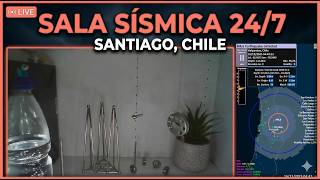
Chile's capital sits across a wide valley framed by the dramatic, snow-dusted ridges of the high Andes. Santiago pairs grand civic monuments from the colonial era with energetic dining districts, sprawling urban parks, and easy access to alpine passes and coastal valleys. This guide incorporates live webcams and current weather updates to help you navigate conditions across the city throughout your stay.
The metropolis rewards urban walkers, cultural travellers, and mountain enthusiasts alike. You can spend your morning inspecting pre-Columbian textiles in the historic centre, spend your afternoon riding a cable car through Parque Metropolitano, and wind down with a glass of Carmenère in an open-air plaza.
Neighbourhoods: where to go and where to stay
Santiago Centro
The civic core clusters around Plaza de Armas, where street performers and chess players gather beneath the towers of the Metropolitan Cathedral. Government buildings, pedestrian passages like Paseo Ahumada, and landmark cultural institutions sit within walking distance. It remains the commercial heart of the capital, busy during business hours and quiet after dusk.
Lastarria
Tucked beside Cerro Santa Lucía, this leafy, bohemian quarter centres on José Victorino Lastarria street. Pavement tables, antique stalls, wine bars, and art galleries line its cobblestone corridors. It provides a pedestrian-friendly base for travellers who want relaxed evenings close to cultural hubs like the Gabriela Mistral Cultural Centre.
Bellavista
Spanning the northern bank of the Mapocho River towards the base of Cerro San Cristóbal, Bellavista features colourful facades, dense street art, and lively dining clusters along Calle Pío Nono and Calle Constitución. It draws university students and travellers looking for local craft beer, live music, and patio dining.
Providencia
Providencia is a prosperous, functional district traversed by major avenues like Avenida Providencia and Avenida Andrés Bello. Lined with office towers, department stores, and residential apartment blocks, it offers a secure and accessible base. Quiet side pockets like Barrio Italia border its southern edge with bespoke furniture shops and coffee roasters.
Barrio Italia
Occupying a grid of low-rise brick homes between Providencia and Ñuñoa, Barrio Italia is renowned for antique restoration workshops and independent design studios. Interior courtyards hide artisan bakeries, design showrooms, and pasta houses. It is particularly peaceful during weekday afternoons and livens up on weekend afternoons.
Las Condes
Dominated by steel-and-glass corporate towers nicknamed Sanhattan, Las Condes showcases Santiago's contemporary financial power. The district features luxury hotels, high-end shopping centres like Costanera Center, and manicured green spaces including Parque Araucano. Broad avenues make it spacious, though it lacks the historic patina of older quarters.
Top sights in Santiago
Cerro San Cristóbal
Rising hundreds of metres above the plain, this prominent hill anchors Parque Metropolitano. The summit features a towering white statue of the Virgin Mary and panoramic lookouts over the Santiago basin towards the Andes. A network of walking trails, cycling paths, and a cable car links the base to the top.
Tip: Visit on clear mornings directly after rain or wind, when atmospheric haze lifts to reveal the snowcaps.
Cerro Santa Lucía
This landscaped volcanic knoll in the city centre marks the spot where Pedro de Valdivia founded Santiago in 1541. Ornate stone stairways, neoclassical terraces, fountains, and battlements climb through ornamental gardens to the Torre Mirador viewpoint, providing sweeping views across the urban core.
Tip: Wear shoes with reliable grip, as the polished stone steps can be slick.
Plaza de Armas
Santiago's founding square remains the civic and spiritual anchor of the city. Shaded by palms, it is flanked by the neoclassical Metropolitan Cathedral, the Central Post Office, and the National Historical Museum. Musicians, painters, and chess masters congregate daily under the colonnades.
Tip: Step inside the cathedral to inspect its richly gilded vaults and quiet side chapels.
La Moneda Palace
The seat of the President of Chile occupies a grand neoclassical civic block. The building holds immense historical significance, particularly surrounding the events of September 1973. Beneath the adjacent Plaza de la Ciudadanía, the underground Centro Cultural La Moneda stages revolving art exhibitions.
Tip: Plan your walk to witness the formal changing of the guard ceremony in the northern courtyard.
Museo Chileno de Arte Precolombino
Housed in the restored Royal Customs House, this world-class institution displays textiles, ceramics, gold work, and carved stone sculptures from indigenous cultures across Central and South America. Highlights include ancient Chinchorro mummies and carved wooden Chemamull funerary statues from the Mapuche people.
Tip: Give yourself ample time to explore the underground textile gallery, which preserves intricate Andean weaves.
Museo de la Memoria y los Derechos Humanos
Located in the Quinta Normal district, this striking modern building commemorates victims of human rights violations during the military dictatorship between 1973 and 1990. Interactive exhibits, historical footage, oral testimonies, and official archives deliver an unvarnished, deeply moving national record.
Tip: Borrow an audio guide at the entrance to follow the detailed chronological timeline.
La Chascona
Built at the foot of Cerro San Cristóbal, this eccentric, multi-level house belonged to Nobel laureate poet Pablo Neruda and his third wife, Matilde Urrutia. Built to evoke the contours of a ship, it contains quirky collections of glassware, maritime relics, and art.
Tip: Pick up the multilingual audio tour included with entry to hear stories behind each eccentric room.
Mercado Central
A cast-iron pavilion fabricated in Britain in the late nineteenth century houses this historic market. Fishmongers display regional seafood, from giant barnacles (picorocos) and sea urchins to king crab and corvina, alongside casual dining stalls serving steaming bowls of paila marina.
Tip: Eat at the smaller outer counters frequented by locals rather than the larger central dining halls.
Santiago in 3 days
Historic Centre and Andean Vistas
- Morning
- Start at Plaza de Armas to admire the Metropolitan Cathedral before walking two blocks to the Museo Chileno de Arte Precolombino. Continue along the pedestrian Calle Huérfanos towards the monumental facade of La Moneda Palace.
- Afternoon
- Cross east into Barrio Lastarria for a lunch of pastel de choclo. Climb the stone stairways of Cerro Santa Lucía to reach the fortress lookouts for your first complete view over the central skyline.
- Evening
- Walk into Bellavista and board the cable car up Cerro San Cristóbal to watch the sunset paint the Andes pink. Head back down to Calle Constitución for dinner and local wine.
Modern Culture and Independent Quarters
- Morning
- Take the metro to Quinta Normal to visit the Museo de la Memoria y los Derechos Humanos. Stroll through the park outside to see historic civic pavilions and leafy paths.
- Afternoon
- Ride Metro Line 1 east into Providencia and walk south to Barrio Italia. Browse design studios along Avenida Italia, stop for an espresso in a courtyard garden, and sample empanadas de pino.
- Evening
- Head towards the contemporary financial district in Las Condes. Stroll along Parque Bicentenario to see its lagoons and modern sculptures before dining on fresh ceviche in Vitacura.
Poetry, Valleys, and Alpine Foothills
- Morning
- Tour La Chascona at the base of Bellavista to explore Pablo Neruda's eccentric living quarters and personal library. Pick up freshly baked pastries from an artisanal bakery nearby.
- Afternoon
- Take an excursion southeast to the Maipo Valley to walk among historic vineyards and taste regional Cabernet Sauvignon, or head up the Cajón del Maipo gorge to admire rugged canyon walls.
- Evening
- Return to Lastarria for a quiet evening. Settle into an outdoor wine bar along José Victorino Lastarria to sample flights of Carménère and Syrah from coastal and valley producers.
Day trips from Santiago
Valparaíso and Viña del Mar
Located about ninety minutes west by road, the port city of Valparaíso climbs steep coastal ravines covered in multicoloured houses, historic funiculars, and street art. Neighbouring Viña del Mar offers broad Pacific beaches, palm-lined promenades, and manicured parks. Frequent intercity buses depart from Terminal Pajaritos.
Cajón del Maipo
This rugged Andean canyon sits roughly two hours southeast of the centre. Carved by the turbulent Maipo River, the gorge leads past quiet mountain villages like San José de Maipo toward hot springs, towering peaks, and the turquoise waters of the Embalse El Yeso reservoir.
Maipo Valley Wineries
One of Chile's premier wine-growing regions begins right at the southern edge of the metropolitan boundary, about forty-five minutes away. Famous for structured Cabernet Sauvignon, old family estates and modern wineries welcome visitors for cellar tours, tastings, and strolls through century-old parks.
Getting around
Santiago has one of South America's cleanest and most comprehensive public transit networks. The system integrates the underground metro with urban bus services. You must purchase a reloadable Bip! card at any metro ticket counter, as cash is not accepted on buses or turnstiles.
- Metro: Seven clean, efficient lines cover most key tourist areas. Line 1 runs east-west through the main commercial axis, while Line 5 connects the historic centre with Bellavista and Providencia.
- Buses (Red): Modern red-and-white buses connect areas not reached by rail. Boarding requires your Bip! card.
- Taxis: Official city taxis are black with yellow roofs, equipped with digital meters. Ride-hailing smartphone apps operate widely and are especially practical late at night.
Best time to visit Santiago
Average daily maximum and minimum temperature (°C), 2015–2024. Source: Open-Meteo (ERA5 reanalysis).
Summer spans December through February, bringing daily maximum temperatures around 28°C to 30°C and warm, arid afternoons with cool evening breezes dipping to 14°C to 16°C. Rain is rare in these months, making it ideal for rooftop dining and park excursions. Pack lightweight clothing, sun protection, and a light jacket for late evenings.
Autumn (March to May) and spring (September to November) offer mild, pleasant weather with daily highs shifting from 18°C to 27°C. Winter months, particularly June and July, are cooler, with highs around 15°C and lows dropping near 6°C. This is the prime period for snow sports in the nearby Andes, when crisp post-storm days deliver crystal-clear mountain panoramas across the capital.
Tips for your trip
First-time visitors
Keep your Bip! transport card loaded to move effortlessly across the city. Be mindful of personal belongings in crowded metro stations and busy pedestrian avenues, particularly along Paseo Ahumada and central plazas.
Families
Parque Metropolitano on Cerro San Cristóbal provides ample space for children, featuring cable car rides, cycling paths, and open lawns. Parque Araucano in Las Condes offers vast playgrounds and shaded picnic areas.
Couples
Stay in Lastarria or Providencia for romantic evening strolls. Take the funicular up Cerro San Cristóbal in late afternoon, then share a bottle of central valley wine at an intimate patio table in Barrio Italia.
On a budget
Take advantage of free or low-cost municipal museums, including the National Historical Museum. Climb Cerro Santa Lucía on foot for free skyline views, and purchase fresh produce and hearty lunches at local street markets.
Live webcams near Santiago

Frequently asked questions
How many days should I spend in Santiago?
Three full days allow you to explore the central historical sites, climb the city's scenic hills, explore bohemian neighbourhoods, and take an easy day excursion into the Maipo Valley or to coastal Valparaíso.
Is Santiago walkable?
Individual neighbourhoods like Santiago Centro, Lastarria, and Barrio Italia are very pleasant to explore on foot. For moving between distant districts, the Metro provides fast, reliable connections.
Where is the best area to stay?
Lastarria is ideal for culture and central walking access. Providencia and Las Condes are excellent for travellers seeking quiet streets, upscale hotels, and direct connectivity on Metro Line 1.
Is Santiago safe for tourists?
Santiago is generally safe compared to many regional capitals, but petty theft and pickpocketing happen in crowded transport hubs, markets, and tourist quarters. Keep phones and bags secure and take registered taxis after dark.
When is the best time of year to visit?
October to April delivers sunny, dry days with warm temperatures. If your primary goal is skiing in the Andes, visit between June and August when snow conditions in the mountains are optimal.
What local foods should I try?
Order an empanada de pino (baked pastry filled with minced beef, onions, egg, and olives), pastel de choclo (corn pie with meat), and fresh Pacific seafood such as pastel de jaiba (crab pie).
More city guides near Santiago
Last updated: November 2026. Opening times, prices and transport can change; check official sources before you travel. More city guides · Live webcams in Chile